How Altitude Affects Your UTV and Your Body in Utah
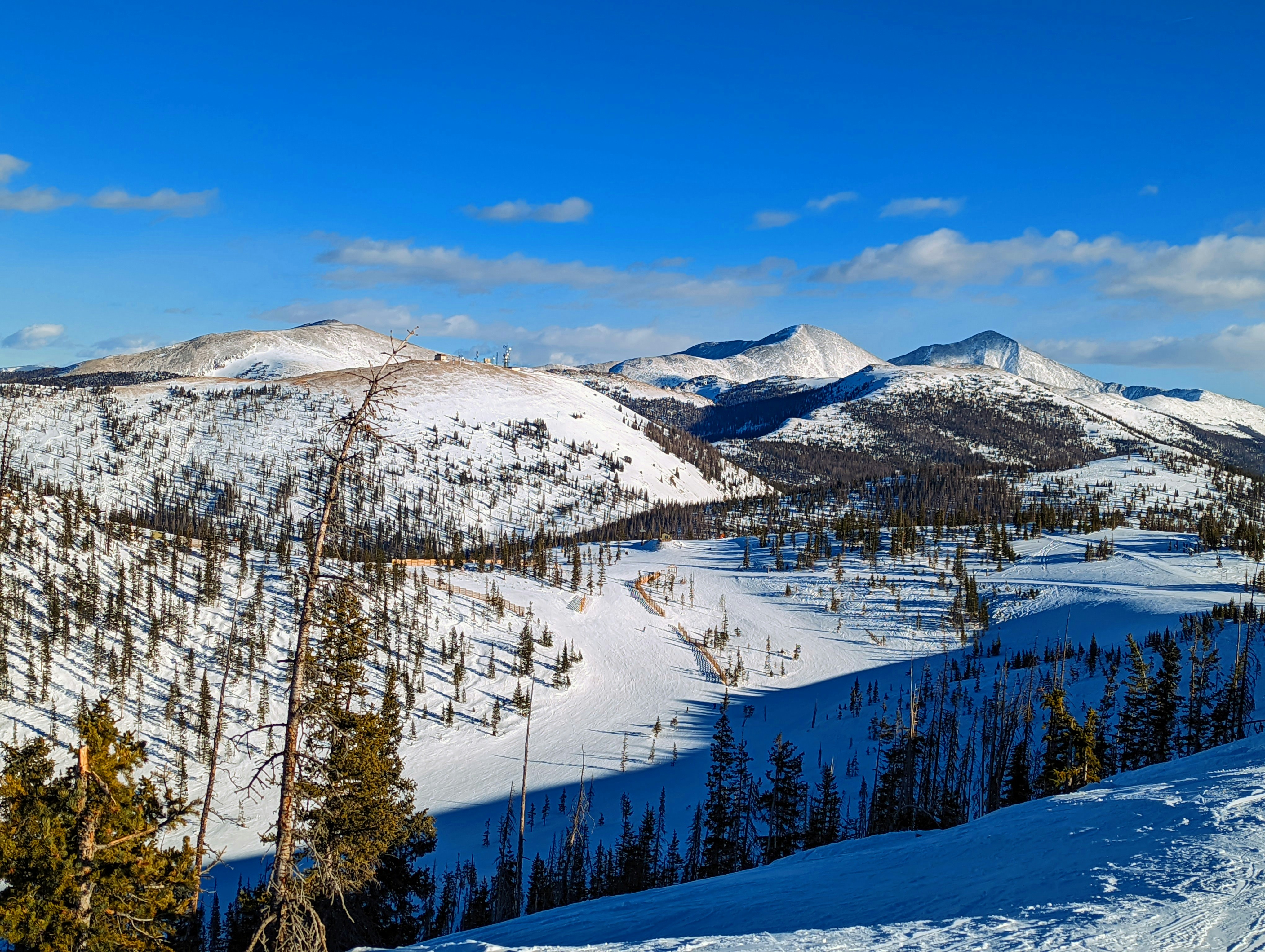
Southern Utah's trails don't ease you into elevation — they throw you into it. One minute you're at 5,000 feet in Cedar City, and two hours later you're cresting 10,000 feet on the Skyline Drive. Your UTV feels different up there. So do you. Here's exactly why, and what to do about it before your next ride.
What Altitude Actually Does to Your Machine
Internal combustion engines breathe air. Thinner air at altitude means less oxygen per cubic foot, which means less fuel can combust efficiently, which means less power to your wheels. Most naturally aspirated UTV engines lose roughly 3–4% of their power for every 1,000 feet of elevation gain above sea level. By the time you're at 9,000 feet, you could be working with 20–25% less horsepower than what's printed on the spec sheet.
Turbocharged engines like the one in the Can-Am X3 RR handle altitude better — the turbo compensates by forcing more air in regardless of ambient pressure. But they're not immune, especially at extremes, and the heat management picture gets more complicated.
CVT Belt Slipping and Overheating
This is the big one for Utah high-country riding. Your CVT (continuously variable transmission) belt is calibrated for a specific range of conditions. At elevation, your engine has to work harder to produce the same result — it bogs, lugs, and runs hotter. That extra heat and mechanical stress transfers directly to the belt. Riders who've never burned a belt at sea level often destroy one on their first high-altitude run in the Manti-La Sal range or on the Boulder Mountain trails.
The warning signs: belt slip under hard acceleration, a burning rubber smell, sluggish response from a standing start. If you notice any of these, stop and let the system cool down before you lose the belt entirely miles from the trailhead.
⚠ Pro Tip
Always carry a spare belt. At elevation, what's a nuisance at low altitude becomes a trip-ending emergency. A quality OEM or aftermarket belt weighs almost nothing and fits in any cargo bag. Pack one, every time, no exceptions.
Cooling System Under Pressure
Thinner air also means less efficient radiator cooling. Your engine is working harder (see above) while simultaneously shedding heat less effectively. This is a recipe for overheating if you're not paying attention — especially in sustained climbs with no airflow pause. Keep an eye on your temperature gauge. If you're pushing steep technical terrain at elevation, pull over and idle in the shade periodically to let the system normalize.
Fuel System and Engine Management
Modern fuel-injected UTVs have ECUs that adjust fuel trim based on atmospheric pressure sensors, so they handle altitude adaptation reasonably well. Carbureted machines (older models, some smaller ATVs) will run noticeably rich at altitude unless you re-jet them. A rich-running engine bogs, fouls spark plugs, and wastes fuel. If you have a carbureted machine that you're taking up past 7,000 feet regularly, re-jetting is worth the investment.
Tire Pressure Changes at Elevation
Cold air at elevation causes tire pressure to drop. If you air down at the trailhead and then climb 3,000 feet over the first hour, you may end up with less pressure than you bargained for. Conversely, if you run your normal street pressure and then descend, heat and lower elevation can spike PSI uncomfortably high. Get in the habit of checking tire pressure at elevation, not just at camp or the staging area.
What Altitude Does to Your Body
Your engine isn't the only thing running lean up there — your blood oxygen drops too. Most people from lower elevations don't experience serious altitude sickness until above 8,000 feet, but mild symptoms can kick in sooner: headache, fatigue, shortness of breath, and reduced mental sharpness. These are easy to dismiss as regular ride tiredness. Don't.
Dehydration Hits Faster
Altitude increases your respiratory rate, and every exhale loses water vapor. Combined with dry Utah air and physical exertion, you can dehydrate surprisingly quickly without feeling particularly thirsty. The rule of thumb at elevation: drink before you're thirsty, and drink more than you think you need. Electrolytes matter too — plain water alone won't keep your sodium and potassium balanced on a long ride.
Fatigue and Decision-Making
Reduced oxygen at altitude impairs cognitive function more than most riders acknowledge. Reaction times slow. Risk assessments get fuzzy. The trail decision you'd make confidently at 5,000 feet might feel genuinely uncertain at 10,000. This is not weakness — it's physiology. Know the signs in yourself and your group, and don't be afraid to dial back the aggression on technical features when you're feeling off.
⚡ Watch for Altitude Sickness in Your Group
Severe headache, nausea, vomiting, loss of coordination, or confusion are signs of Acute Mountain Sickness (AMS). The only reliable treatment is descent. Don't wait it out at elevation hoping it'll pass — move the affected rider to lower altitude and seek medical attention if symptoms are severe.
Pre-Ride Prep for High-Elevation Rides
High-Altitude UTV Checklist
- ✓ Pack a spare CVT belt (non-negotiable)
- ✓ Check coolant level and condition before the ride
- ✓ Inspect belt housing intake snorkel — clear of debris
- ✓ Verify air filter is clean — restricted airflow compounds altitude power loss
- ✓ Check tire pressure at staging and again once at elevation
- ✓ Carry at least 3 liters of water per rider for a full-day ride
- ✓ Pack electrolyte supplements (Liquid IV, Nuun, etc.)
- ✓ Know the signs of AMS in yourself and your group
- ✓ Identify descent routes on your trail map before you start climbing
- ✓ Plan rest stops on long climbs to let engine temps stabilize
Utah Trails Where Altitude Matters Most
Several of Southern and Central Utah's most popular trail systems take you well above 9,000 feet. The Skyline Drive corridor in the Manti-La Sal National Forest routinely tops 10,500 feet. Boulder Mountain trails off Highway 12 approach 11,000 feet. The Fish Lake area sits around 8,800 feet at the lake itself and climbs from there. Even some of the Paiute ATV Trail segments in Piute County push 10,000 feet on the high ridge sections.
None of these are places you want to learn altitude management for the first time. Prep before you go, ride with a group, and respect what the elevation does to both your machine and your body.
The Bottom Line
Altitude is one of the most underestimated factors in Utah offroad riding. It's not just about having a capable machine — it's about understanding how that machine's performance changes as you climb, and how your own judgment and endurance change too. A little knowledge and preparation go a long way toward keeping a spectacular high-country ride from turning into a long, unhappy tow back to the trailhead.
Find Your Next High-Country Trail
Browse Utah Offroad's trail database to find routes, elevation profiles, and difficulty ratings across Southern Utah.
Explore Trails →