Riding Snow-Covered Trails in Utah: What You Need to Know
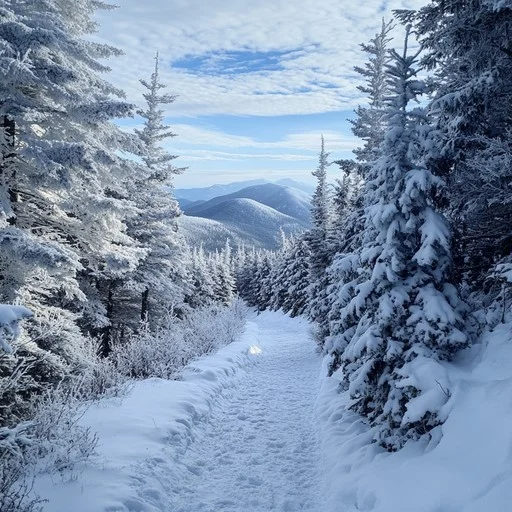
A snow-covered trail is one of the most beautiful things you'll ever see from a UTV seat. It's also one of the most dangerous. The same terrain you know cold — the lines, the drops, the soft spots — becomes a different place entirely under a foot of snow. Here's how to approach it with your head on straight.
01 The Ground Isn't Where You Think It Is
This is the foundational rule of snow-trail riding, and it sounds obvious until your front tire drops into a hidden rut that your eyes told you was flat ground. Snow fills in everything — water bars, cross-ditches, edge drop-offs, rocks, stumps, and the half-buried branches that would normally catch your eye. What looks like a smooth white carpet is often a minefield of terrain surprises.
Slow down more than you think you need to, especially on trails you know well. Familiarity is a false friend in snow. The trail you've run a dozen times in summer is operating by different rules now, and your pattern memory will get you into trouble if you don't override it consciously.
02 Traction — What You Have and What You Don't
Stock all-terrain tires perform surprisingly well in fresh, loose snow. It's the transitions that catch people: fresh snow over ice, packed snow on a slope, or the morning freeze after a warm afternoon. These conditions can cut your effective traction to a fraction of what you're used to, with almost no warning between grip and full slide.
Tire Pressure Adjustments for Snow
Airing down increases your contact patch and improves flotation in deep snow — the same principle as sand riding. Dropping to 8–12 PSI (depending on your setup) can make a meaningful difference in soft conditions. Just know that on firm, icy snow, lower pressure doesn't help much and can actually reduce your steering response on hard-packed surfaces.
Snow-Specific Tires and Chains
If you're doing regular winter riding, dedicated winter tires with siped tread patterns or studded options are worth serious consideration. For ice-heavy situations, UTV tire chains are legal and effective — they transform what's nearly undriveable on glare ice into manageable terrain. Make sure you have chains sized for your specific tire and that you know how to mount them before you need them on the trail.
❄
Momentum is your friend in deep snow — stopping is your enemy. In soft powder, keeping steady momentum prevents you from getting bogged down. If you stop on a steep snow climb, restarting is often impossible without backing out. Pick your line, commit to it, and keep moving.
03 Recovery Is Harder in Snow — Plan Accordingly
Getting stuck in snow is categorically different from getting stuck in mud or sand. Snow compresses and ices under your tires when you spin, creating an ice trough that your machine sinks deeper into with every attempt to power out. The standard instinct — throttle harder — makes things worse almost every time.
When You're Stuck: What Actually Works
First, stop spinning immediately. Dig out from around the tires by hand or with a shovel before you try to move the machine. Rocking — short bursts forward and reverse — works better than sustained throttle. Traction boards placed under the drive tires can give you the purchase you need to get rolling again. And a hi-lift jack is invaluable in snow: you can jack the machine up and pack snow or debris under the tires to create a firm launching point.
Winching in snow presents its own challenges — anchor points are scarce if there are no trees, and a snatch block through a deadman anchor (a spare tire or hi-lift buried horizontally in the snow) can save the day when there's nothing solid around.
What Helps
- → Dig out before you throttle
- → Rock forward / reverse gently
- → Traction boards under drive tires
- → Hi-lift jack to break suction
- → Bury deadman for winch anchor
What Makes It Worse
- → Sustained wheel spin — ices the hole
- → Full throttle bursts repeatedly
- → Stopping on steep snow climbs
- → Riding alone without recovery gear
- → Not airing down before soft sections
04 Cold Weather on Your Machine
Snow riding almost always means cold air temperatures, and cold creates its own mechanical challenges separate from the traction and recovery issues.
Cold Starts and Warm-Up Time
Synthetic fluids flow better in cold temperatures than conventional oils — if you haven't already made the switch, winter is the argument. Let your machine warm up fully before you load it hard, especially on the first ride of the day. Cold CVT belts are stiffer and more brittle; a belt that would survive a summer thrashing may crack under the same stress at 15°F. Give the drivetrain time to reach operating temperature before pushing it hard.
Battery Performance
Cold kills battery capacity. A battery that starts fine at 60°F may struggle or fail at 10°F. If you're parking the machine outside overnight in winter and riding first thing in the morning, a battery maintainer or a lithium battery (which handles cold better than lead-acid) can be the difference between a good day and a frustrating one.
Ice in Fuel Lines and Brake Lines
Moisture in your fuel can freeze, causing rough running or fuel delivery problems. Fuel line antifreeze additives prevent this. Brake fluid also absorbs moisture over time — old, water-contaminated brake fluid has a lower boiling point and can develop ice crystals in extreme cold. If your brakes feel spongy in winter, this could be why. Fresh fluid each season is cheap insurance.
05 Rider Gear and Survival Basics
This is where a lot of riders cut corners, and where the consequences of a breakdown are most serious. A mechanical issue on a dry summer trail means a warm wait for help. The same breakdown in a snowstorm at elevation can become genuinely dangerous in under an hour if you're underdressed.
Layer Up Properly
Wind chill at UTV speeds is extreme. A 35°F day at 30 mph feels like 15°F on exposed skin. A balaclava, neck gaiter, and insulated gloves aren't optional gear for serious winter riding — they're basic safety equipment. Moisture-wicking base layers, an insulating mid-layer, and a wind/waterproof outer shell is the system that works. Cotton kills in cold weather; avoid it.
What to Carry Every Time
Winter Snow Ride Checklist
- ✓ Extra warm layer for each rider (emergency only, stays packed)
- ✓ Hand warmers — chemical and electric
- ✓ Emergency blanket for each person
- ✓ Collapsible shovel for digging out
- ✓ Traction boards (at least one set)
- ✓ Full tool kit including spare belt
- ✓ Extra fuel — cold weather increases consumption
- ✓ Thermos of hot drink — morale and warmth matter
- ✓ Communication device: satellite communicator or radio
- ✓ Fully charged phone — cold drains battery; keep it inside your jacket
- ✓ Share your route with someone who isn't on the ride
06 Trail Access: What's Open in Winter
Not all Utah trails remain open year-round. Many Forest Service roads, BLM routes, and designated trails close seasonally to protect the resource and because they're simply not safely navigable without snowmobile-specific equipment. Before you go, check current trail status through the Utah State Parks website, the relevant National Forest ranger district, or the Paiute ATV Trail system's winter access updates.
Riding closed trails in winter isn't just illegal — it causes real damage to soft, saturated ground under the snowpack and puts you in terrain where nobody is looking for you if something goes wrong. Know before you go.
❄
The best winter rides are the ones you planned. Check the forecast, check trail closures, tell someone your route, and ride with at least one other machine. Solo winter riding in remote terrain is a decision that rescue teams see the aftermath of every year in Utah.
The Payoff Is Real
None of this is meant to scare you off winter riding — it's meant to get you out there safely. Snow-covered Utah trails are genuinely spectacular. Red rock rimmed in white, pine forests weighted with powder, and tracks that are yours alone because most people stayed home. The extra prep is worth every bit of it. Just go in knowing what you're dealing with, and the mountain will treat you well.