Duck Creek OHV Trail System: The Complete Guide for UTV & ATV Riders
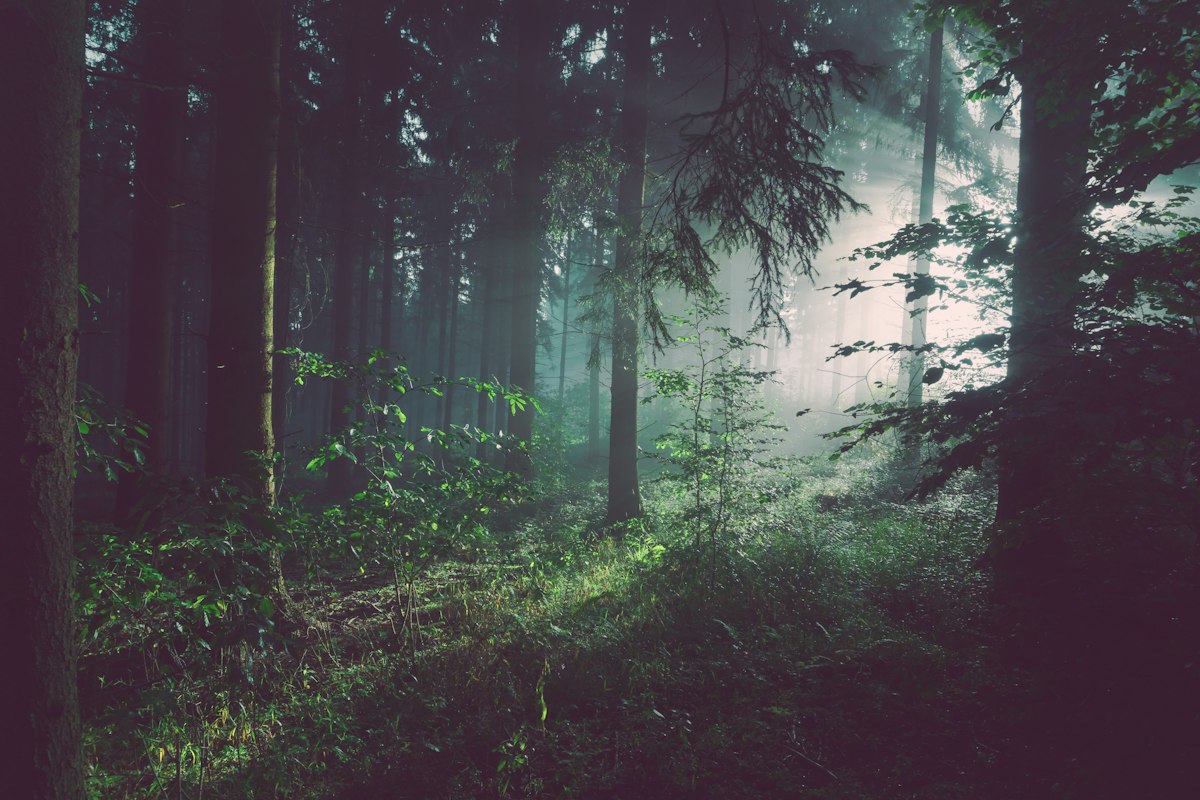
Tucked away in the Dixie National Forest at 8,400 feet, Duck Creek Village is one of Southern Utah's best-kept OHV secrets. Over 60 miles of alpine trails wind through aspen groves, conifer forests, and meadows — with scenic loops, lakeside routes, and canyon overlooks that rival anything in the state. Here's everything you need to plan your ride.
What Makes Duck Creek Special
Most Southern Utah riding conjures images of red rock slickrock and desert sand washes. Duck Creek flips that script entirely. Sitting at 8,400 feet in the heart of the Dixie National Forest, this trail system drops you into alpine meadows blanketed with wildflowers, thick stands of quaking aspen, and mixed conifer forests that smell like pine sap and mountain air. The terrain is rolling and forested — closer to what you'd expect in Colorado than what most people picture when they think of Utah.
The system offers over 60 miles of designated OHV routes with roughly 1,500 feet of total elevation gain across the network. The difficulty level is overwhelmingly easy to moderate, making it one of the best systems in the state for families, beginners, and riders who want a relaxing day on the trails without constant technical challenges. That said, don't mistake "easy" for "boring" — the scenery alone makes every mile worth riding.
At this elevation, keep in mind that riding at altitude affects your machine and your body — read our altitude guide before heading up if you're coming from lower elevations. The 8,400-foot base means thinner air, and some trails climb even higher.
The coordinates for the main staging area are 37.5201, -112.6756, right in Duck Creek Village along Highway 14 between Cedar City and Long Valley Junction.
The Trails
The Duck Creek system branches into several distinct routes, each with its own character. Here are the three you should know about before you go.
Aspen Mirror Lake Loop
This is the flagship ride of the Duck Creek system and one of the most photogenic OHV loops in all of Southern Utah. The 15-mile circuit threads through dense aspen groves that turn electric gold in late September, passes by the still waters of Aspen Mirror Lake (which lives up to its name on a calm morning), and rolls through open meadows with long-range views of the surrounding forest. The terrain is moderate — a few rocky sections and mild climbs keep it interesting, but nothing that will test an experienced rider. For photography, early morning light on the lake is extraordinary. Plan to stop frequently.
This loop works well as a half-day ride at a leisurely pace, or a fast two-hour run if you're not stopping for photos. Most riders do something in between and come back talking about the aspens for weeks.
Navajo Lake Trail
The Navajo Lake Trail is a 10-mile route that cuts through thick conifer forest — Engelmann spruce, subalpine fir, and ponderosa pine — before emerging at Navajo Lake, a popular fishing destination stocked with rainbow and brook trout. The riding is mellow, with a packed-dirt surface and gentle grades throughout. The forest canopy keeps you shaded even on hot summer days, and the temperature up here rarely breaks 80 degrees even in July.
If your group includes anglers, this is the ride. Pack a collapsible rod, hit the lake, and combine a morning ride with an afternoon of fishing. Navajo Lake has a small campground and boat ramp, so you can extend the trip if the fish are biting.
Strawberry Point
Strawberry Point is the "wow" ride of the system. This 8-mile trail takes you from forested terrain to the edge of a dramatic overlook where the Markagunt Plateau drops away into red rock canyons and hoodoo formations. On a clear day, you can see all the way to the cliffs near Zion National Park. The contrast is staggering — you ride through green alpine forest for miles, then suddenly you're standing on the rim looking down into the same red-and-white geology that draws millions to Utah's national parks.
The trail itself is straightforward, but the last mile narrows and the terrain gets slightly rougher as you approach the point. Full-size UTVs fit without issue; just take it slow near the overlook. This is an out-and-back ride, so plan about two hours round trip with time to soak in the view at the top.
Getting There & Village Amenities
Duck Creek Village sits along Utah Highway 14, about 30 miles east of Cedar City and roughly 27 miles from the Highway 89 junction at Long Valley Junction. From Cedar City, the drive takes about 40 minutes and climbs from 5,800 feet to 8,400 feet through Cedar Canyon — a scenic stretch of road in its own right. From St. George, plan on about 90 minutes via I-15 and Highway 14.
The village is small but well-equipped for OHV visitors. You'll find restaurants and a general store for supplies, several lodging options ranging from cabins to small lodges, and fuel — fill up here, because there's nothing on the trails. The village has designated OHV parking areas, and many trails are accessible directly from town, so you can ride from your cabin door without needing a trailer.
Cell service is spotty to nonexistent on the trails and limited even in the village. Download offline maps before you arrive and don't rely on your phone for navigation once you leave pavement.
Best Time to Visit
The Duck Creek OHV season runs from roughly May through October, but the experience varies dramatically depending on when you go.
Late May to mid-June: Trails are opening up as snowpack melts. Some routes may still have muddy sections or lingering snow at higher elevations. Wildflowers begin to appear. Crowds are minimal — you may have entire trails to yourself.
July and August: Peak season. All trails are open and dry. Daytime temperatures sit in the mid-70s — a welcome escape from the 100-degree heat in St. George and Cedar City. Afternoon thunderstorms are common and can turn trails muddy quickly, so plan your rides for the morning. This is the busiest time, especially on weekends.
September to early October: The sweet spot. The aspen groves turn gold and orange, crowds thin out, and the air has that crisp fall edge. The Aspen Mirror Lake Loop during peak fall color — usually the last week of September — is one of the most beautiful OHV rides in Utah, full stop. Nights get cold (low 30s), so layer up for early morning starts.
Late October onward: Snow arrives early at 8,400 feet. Most trails close by late October or early November depending on the year. Don't push it — getting caught in an early-season snowstorm at elevation on a UTV is no fun.
Pro Tips for Duck Creek
- Fill up in the village. There are no fuel stops on the trails, and 60 miles of riding at elevation burns more fuel than you'd expect.
- Download offline maps. Cell coverage is unreliable. The Avenza Maps app with a downloaded forest service map is the most reliable option.
- Start early. Summer afternoon thunderstorms roll in like clockwork. Be back on pavement or at camp by 2 PM in July and August.
- Layer up. Morning temps in the 40s and 50s can feel cold on an open UTV, even if the afternoon warms into the 70s.
- Respect the forest. Stay on designated trails. The Dixie National Forest actively monitors for off-trail damage, and fines are significant.
Nearby Trail Systems
Duck Creek doesn't exist in isolation. It's part of a larger network of riding areas in the Cedar City and Iron County region, and combining systems makes for an outstanding multi-day trip.
Brian Head: Just 30 minutes from Cedar City, the Brian Head trail system offers alpine riding above 10,000 feet with sweeping views of the surrounding peaks. The terrain is more varied than Duck Creek — expect rockier sections and steeper climbs. It pairs perfectly with a Duck Creek trip for riders who want a day of easy cruising and a day of more aggressive riding. For a full breakdown of the Cedar City area systems, check out our Cedar City & Iron County UTV trail guide.
Cedar Breaks Backcountry: This is the difficult option in the region — 25 miles of technical terrain that doesn't open until July due to heavy snowpack above 10,000 feet. Cedar Breaks is for experienced riders comfortable with narrow shelves, loose rock, and significant exposure. The payoff is world-class scenery along the rim of the Cedar Breaks amphitheater. See the Iron County trail guide for full details on difficulty and access.
For even more options across the state, browse our complete guide to the best UTV and ATV trails in Utah.
What to Bring
Duck Creek Ride Checklist
- ✓ Full tank of fuel (top off in the village before hitting trails)
- ✓ Offline maps downloaded (Avenza Maps or Gaia GPS)
- ✓ Layers for morning cold and afternoon warmth
- ✓ Rain gear (summer thunderstorms are common)
- ✓ At least 2 liters of water per rider
- ✓ Sunscreen and sunglasses (UV is intense at 8,400+ feet)
- ✓ Spare CVT belt (altitude increases belt stress)
- ✓ Basic tool kit and tire repair supplies
- ✓ Camera (the Aspen Mirror Lake reflections are worth it)
- ✓ Fishing gear if you're hitting the Navajo Lake Trail
Ready to Ride Duck Creek?
Browse Utah Offroad's trail database for routes, maps, and difficulty ratings across Southern Utah's best riding areas.
Explore Trails →